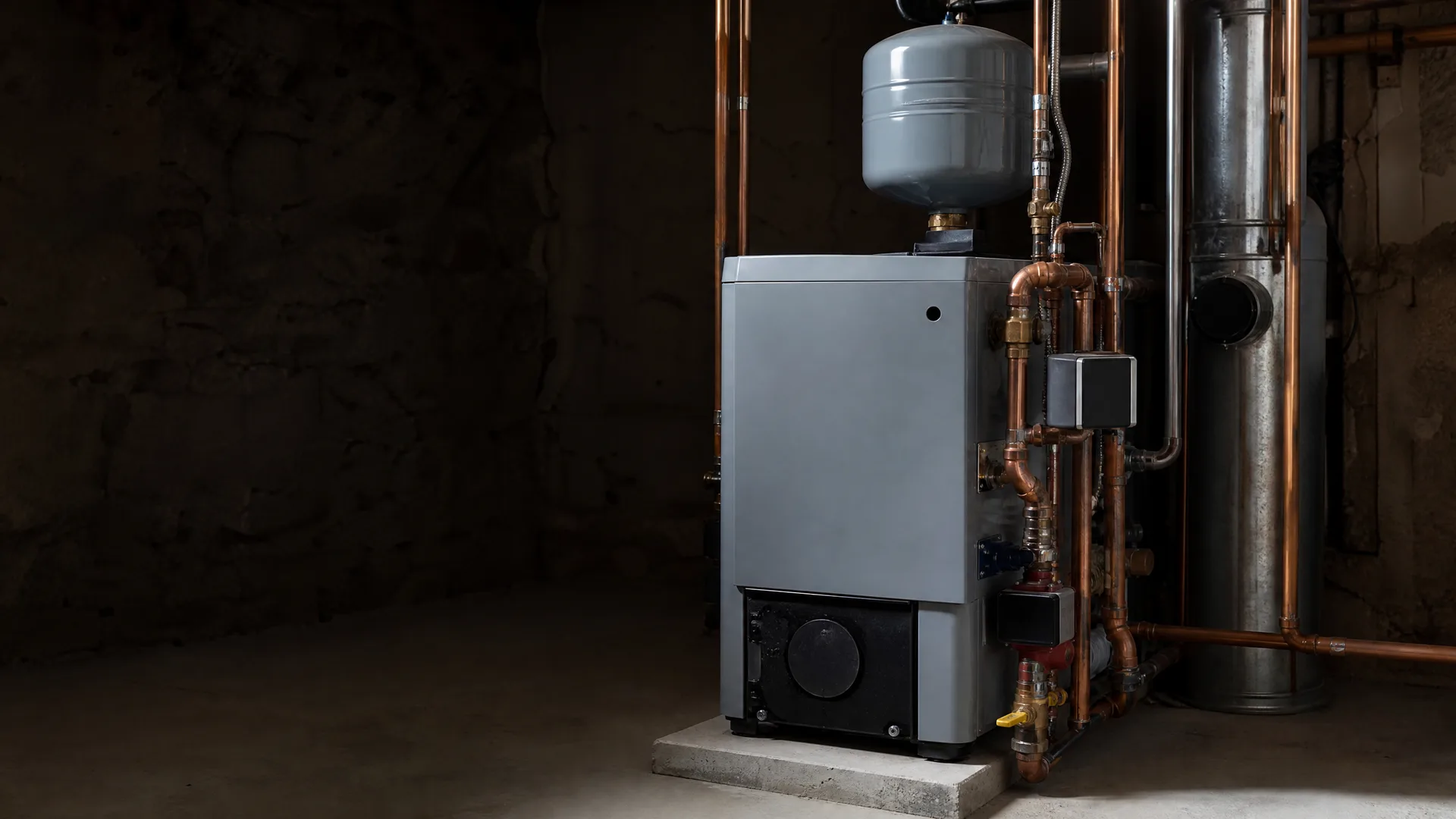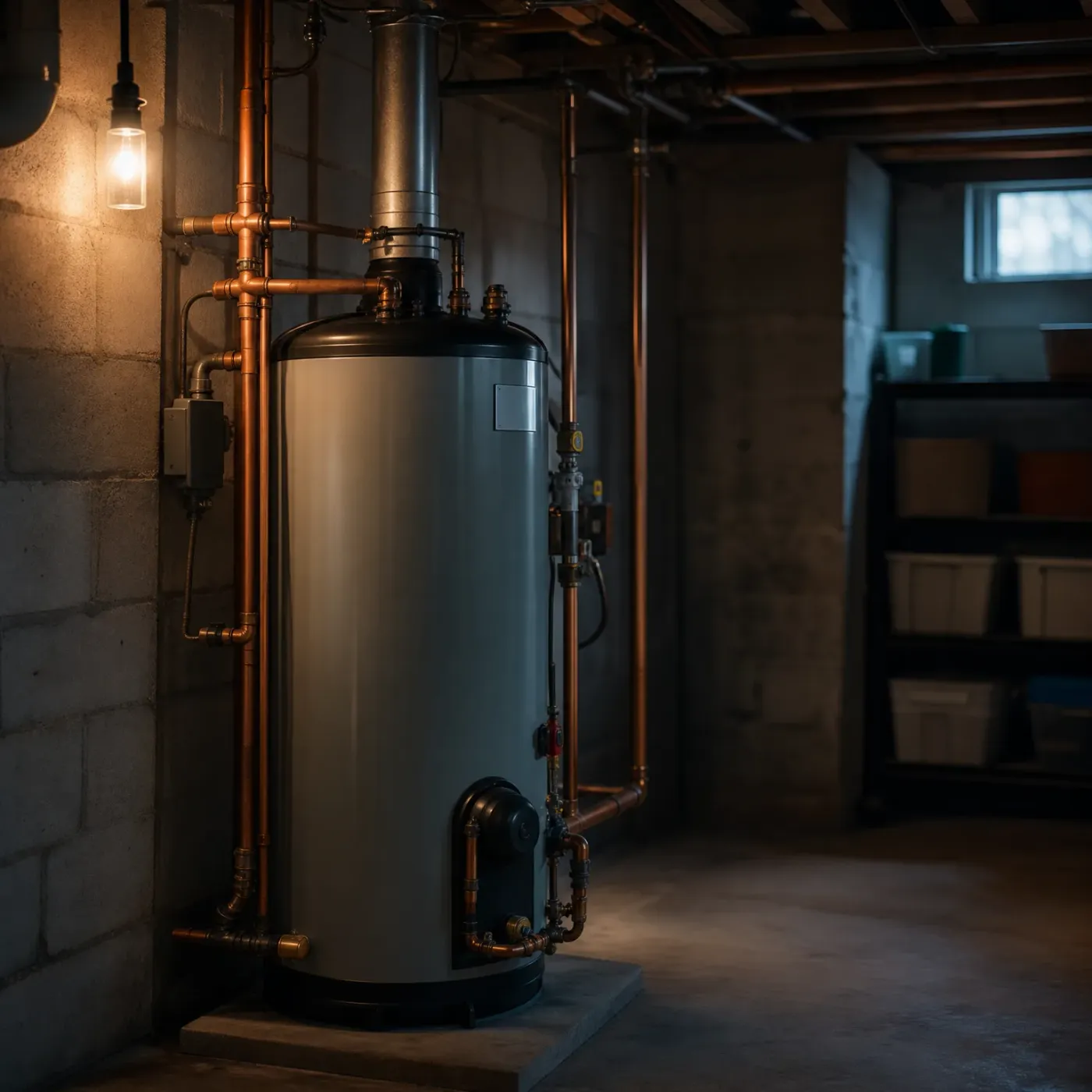

A cylindrical water heater or boiler with a flue pipe and copper piping stands on a concrete pad in a dim basement with concrete block walls, a hanging bulb at left and a shelving unit with bins at right.

Get the right pro for your boiler

What size boiler a Massachusetts home needs

The right boiler size for your house depends on a real heat loss calculation, not square footage alone. Your walls, windows, and how cold it gets where you live in Massachusetts all factor in. Oversizing wastes money, undersizing leaves rooms cold. Below, find out what goes into the number, then skip the back and forth of calling contractors yourself and get matched with one who can size it for your home.

Get a local pro

There's no boiler size that applies to every house in your town, let alone every house in Massachusetts. The right size comes from a heat loss calculation, a room by room look at how much heat your house actually loses on the coldest day, based on your walls, your windows, your insulation, and how many square feet you're heating. Two houses the same size can need different boilers if one has old single pane windows and the other has been reinsulated. A boiler sized too big cycles on and off more than it should, wearing out parts faster and burning more gas than it needs to. One sized too small runs flat out during a cold snap and still can't keep the far bedroom warm. A contractor doing this right calculates it for your house, not the one next door, and that number is what the installation should be built around.

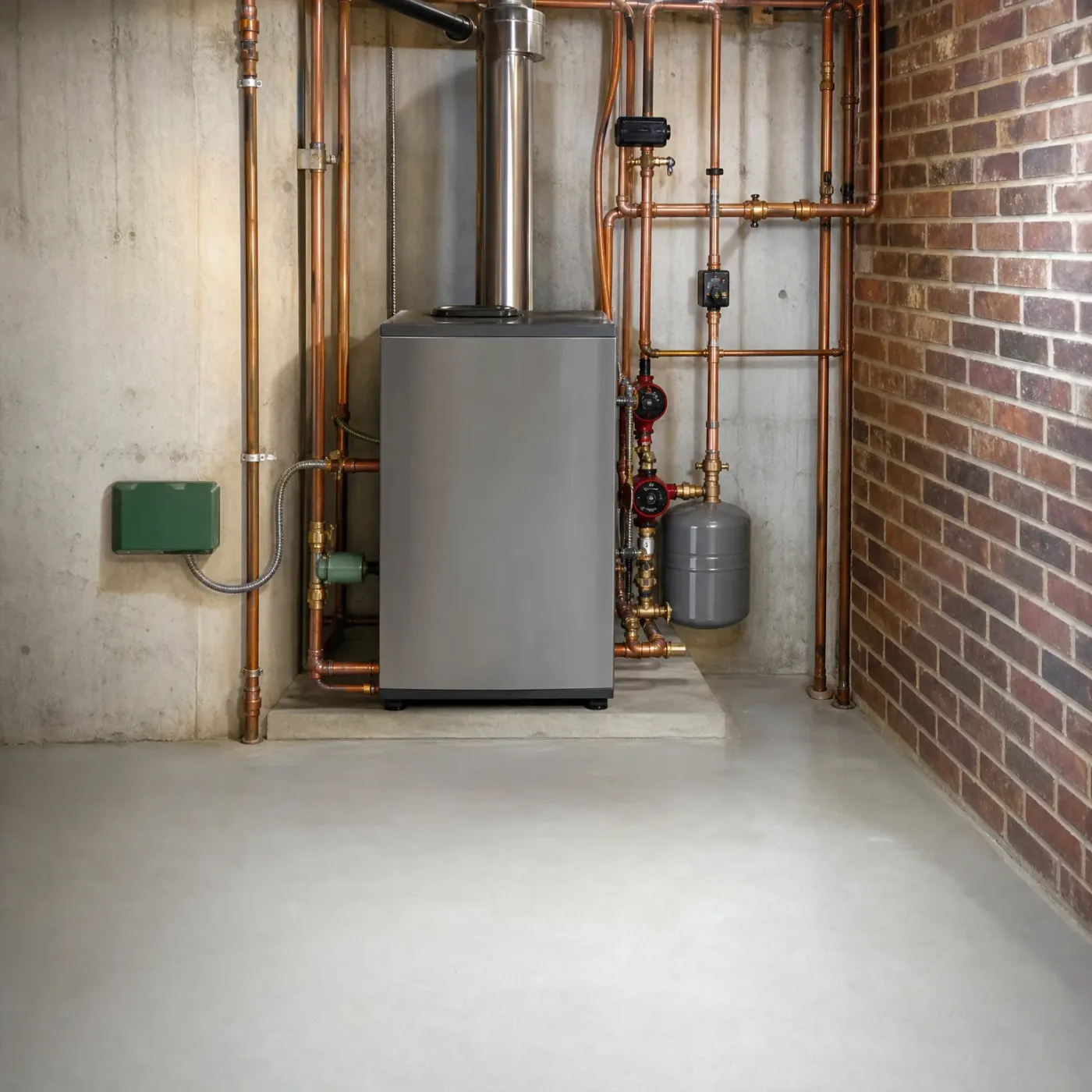
A dark gray floor-standing boiler on a concrete pad in a basement, surrounded by copper piping, brass valves, a gray expansion tank, a circulator pump, and a metal flue pipe against concrete block walls.

Boiler sized right

A properly sized boiler runs long, steady cycles and heats every room evenly, even on a night near zero. The piping stays quiet, the pressure holds steady, and the burner doesn't short cycle on and off. That steady run is what keeps a gas bill from Massachusetts winter from running higher than it has to.


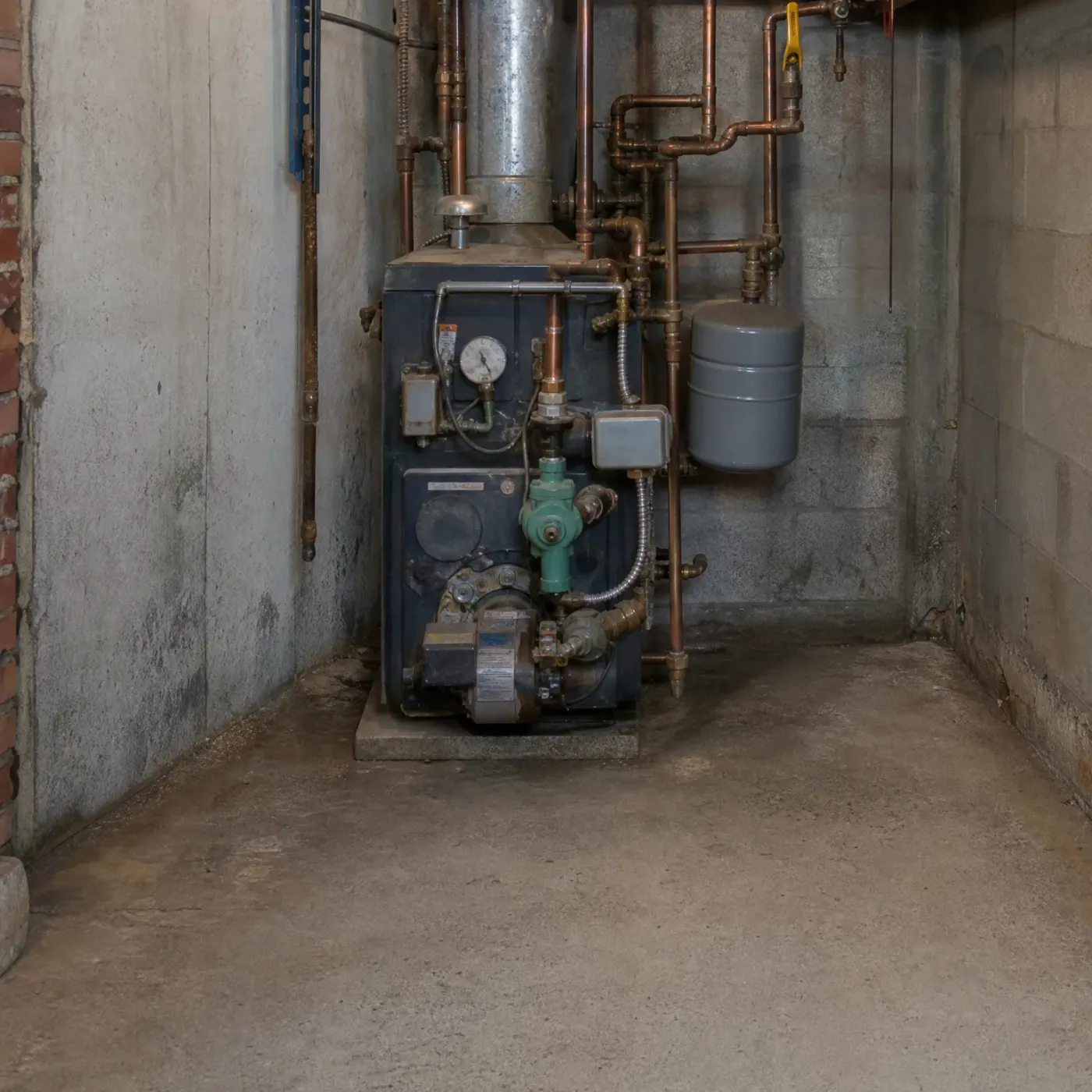
A blue boiler on a raised concrete pad in a basement corner, with copper and steel pipes, a gauge cluster, an expansion tank, and a metal flue running up the bare concrete walls.

Boiler sized wrong

An oversized boiler fires hot and shuts off fast, leaving rooms that never quite catch up to the thermostat. An undersized one runs almost constantly and still can't hold the house warm on the coldest days. Either way the piping and the burner are working against the house, not with it.

Square Footage Guess or Heat Loss Calculation

Square footage estimate

  • A quick square footage number comes from a chart that assumes every house loses heat the same way, which no house does.
  • Two houses the same size can need different boilers if one has more window area or less insulation in the walls.
  • It skips the coldest night of the year, the one number a heat loss calculation is actually built around.
  • A contractor who quotes off square footage alone is guessing at a number that happens to sound precise.
  • It can land close on a newer, tight house and miss badly on an older one with single-pane windows or no wall insulation.

Heat loss calculation

  • It measures each room on its own, so a sunroom with three exterior walls gets sized differently than a bedroom with one.
  • It accounts for your windows, your wall construction, and your attic, not a flat number per square foot.
  • It's built around the coldest day where you live in Massachusetts, which is the condition the boiler actually has to meet.
  • The output is a BTU number a contractor can size equipment against, not a rough range.
  • It takes a site visit and some time with a tape measure, longer than reading a square footage chart.
  • It's the only method that tells you if your current boiler was ever sized right to begin with.
A gray boiler unit on a concrete pad in a basement corner, connected to copper piping, circulator pumps, and a ceiling-mounted expansion tank against bare concrete walls.

Running the way it should

This is a boiler sized correctly. The pumps, the expansion tank, the fittings on the wall behind it all match what the house actually loses on a cold night. Nothing works harder than it has to, and nothing sits underused either.

A blue oil-fired boiler with a pressure gauge, burner unit and metal flue sits on a concrete pad in a basement corner, surrounded by copper and black pipes against bare concrete walls.

Running on the wrong size

This older unit may be working against a size that was never right for the house, or a house that's changed since it went in. A boiler too big or too small for the load shows up here first, at the gauge and the burner, long before anyone upstairs feels it.

A gray-haired, bearded man in a dark coat dusted with snow stands smiling in a dimly lit room with a lamp, mirror, framed art, and a sofa in the background.
An older man with white hair and a beard, wearing a dark snow-dusted coat and scarf, stands in a warmly lit interior hallway with a framed landscape picture, a table lamp and a potted plant behind him, and a snowy view through a window at left.
An older man in a dark snow-flecked overcoat and scarf stands smiling in a warmly lit home entryway, with a glass-paned door showing darkness outside and a lamp-lit room visible through a doorway behind him.
An older man with gray hair and a beard, wearing a dark snow-dusted jacket and scarf, stands smiling in a warmly lit interior hallway with a lit table lamp, a vase of dried branches, and a framed picture in the background.

The number on a new boiler comes from a Manual J calculation, done room by room. A contractor walks the house and measures every exterior wall and window, because glass loses heat faster than a framed wall does, and a house with more window area needs more capacity to match it. The calculation is built around design temperature, the coldest outdoor temperature your part of Massachusetts normally sees in winter, and it figures out what the boiler needs to do to hold indoor temperature when it hits that mark. That heat loss figure comes out in BTUs per hour, and it's what the new boiler's output has to match, not run far past. The existing radiators or baseboard get checked against that same number, since emitters that are too short or too small can't deliver a correctly sized boiler's output into the room, no matter how well the boiler itself is sized. None of this gets done standing in the mechanical room looking at the old unit. It gets done walking the whole house, measuring what's actually there.

How a contractor sizes it

  • A Manual J calculation adds up heat loss room by room using wall area, window type, ceiling height, and insulation, not a square footage chart.
  • The contractor measures every exterior wall and window because glass loses heat faster than framed wall, and a house with more window area needs more capacity.
  • Design temperature is the coldest outdoor temperature your part of Massachusetts hits in a normal winter, and the whole calculation is built around holding indoor temperature at that point.
  • Boiler output is rated in BTUs per hour, and the heat loss number in BTUs per hour is what the new boiler has to match, not exceed by much.
  • Radiators and baseboard length get checked against the heat loss number too, because undersized emitters can't deliver even a correctly sized boiler's output into the room.
  • A contractor doing this right walks the whole house, not just the mechanical room, before writing down a boiler size.
A gray boiler on a concrete pad in a basement, connected to copper piping, valves, pumps and a gray expansion tank, with a concrete wall on the left and a brick wall on the right.
A boiler matched to the house warms the pipes and the radiators evenly, with the pressure gauge holding steady all night.
A dark cast-iron boiler with copper piping, pressure gauge, and a gray expansion tank sits on a concrete pad in a basement corner with concrete block and brick walls.
An old oil boiler crowded into a narrow alcove like this one often outlived the sizing math it was installed with.
A woman wrapped in a cream textured blanket sits in an armchair beside a lit lamp and a dark window, with an open book in the foreground.
A bearded man in a blue and brown plaid flannel shirt stands indoors looking out a window at snow-covered trees, with a ceramic mug on the windowsill.
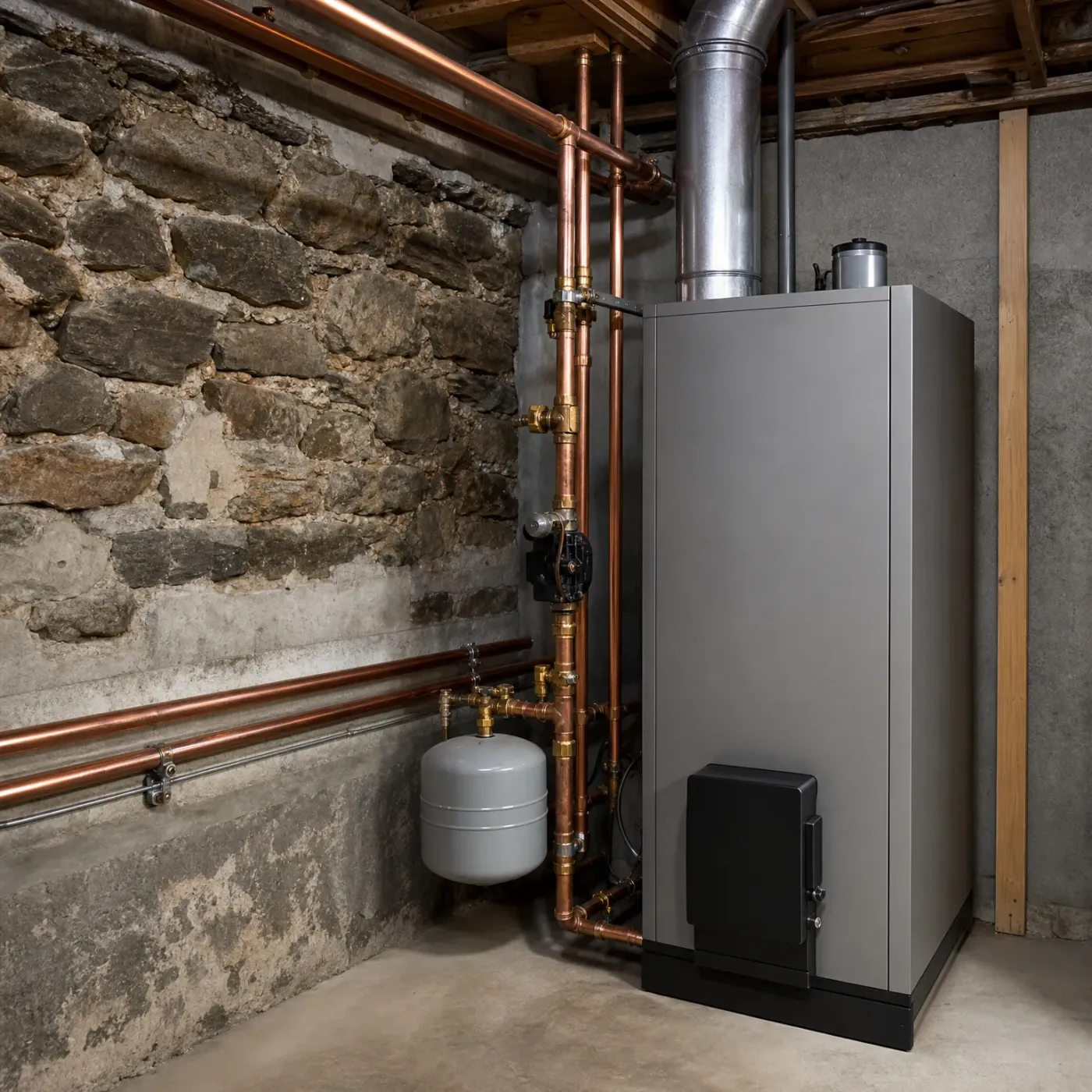
A gray boiler unit with a metal flue stands in a basement beside copper piping, valves and a small expansion tank, against a stone and concrete wall with wooden joists overhead.

A pro who works on boilers

Describe the project once instead of to every installer.

Get in touch with a local installer about a new boiler.

Match me with a pro

Asking costs nothing, and the choice to hire stays yours.

Why does one room never get warm enough?

Walk through your house on a cold night and you can usually tell where the sizing is off. A back bedroom stays cool while the living room near the boiler runs warm. The radiators clank or gurgle as water moves through them. The burner kicks on, shuts off, then kicks on again a few minutes later instead of running one long steady cycle. Your gas bill climbs but the house still feels uneven, room to room. A boiler that cycles like this is working harder for less heat delivered, and over a winter that adds up on a bill that's already among the highest in the country for energy in this state. Left alone, it's wear on a burner and pump that didn't need to happen.

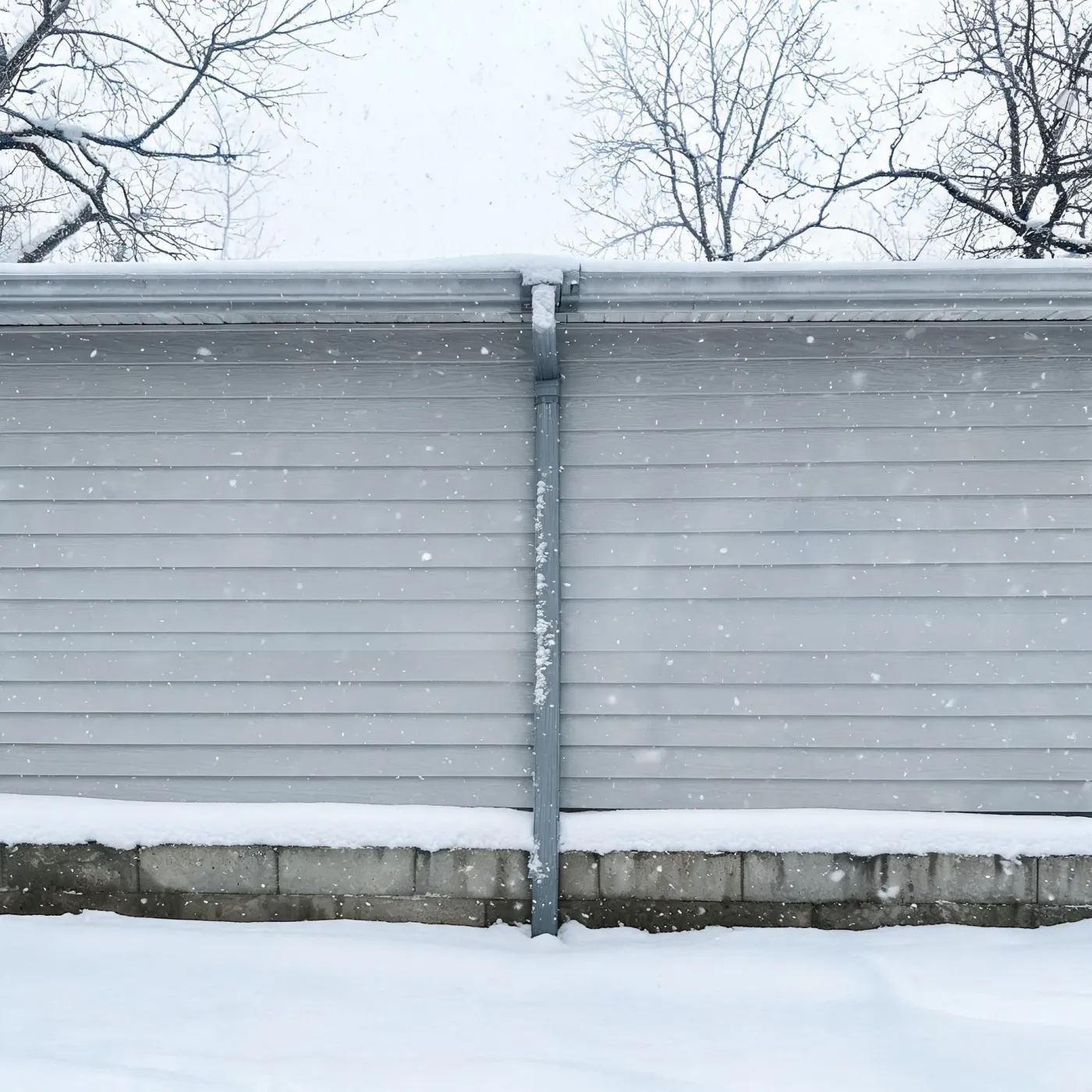
Exterior wall of a building with gray horizontal siding, a metal downspout at center, and a concrete block foundation, with snow on the roof edge, ledge, and ground, and bare trees against an overcast sky during falling snow.

Statewide, winter nights average 21°F, according to NOAA. That's the kind of cold a heat loss calculation has to account for, because a boiler sized off square footage alone might run fine at 35°F and fall short on the nights that actually matter. On those nights, an undersized boiler runs flat out and still leaves the far bedrooms cooler than the rest of the house. One sized to your house's real heat loss keeps up without strain, and you'd notice it in steady warmth room to room rather than a thermostat that can't quite close the gap.

NOAA nClimDiv 1991-2020 county normals weighted by homes

A woman stands in the open black front door of a white-sided house with a dark shingled roof while a man in a navy jacket approaches along the walkway, with lantern wall lights, a potted shrub, and flowering garden beds nearby.

What a mismatched boiler costs you at home

If your boiler is oversized, you'll notice it in short bursts of heat followed by long quiet stretches, and a gas bill that doesn't match how warm the house actually feels. The burner fires, satisfies the thermostat fast, then shuts off before the heat has a chance to move through the radiators or baseboards evenly. That short cycling wears on the burner and the ignition system over time. An undersized boiler shows up the opposite way: it runs and runs on the coldest nights and still can't get the back bedroom past 60.

Either mismatch costs you something every month, whether it's gas burned for heat that never evens out or rooms you keep closing off in January. Finding out which one you have, and what size actually fits your house, means getting a contractor who will measure your walls and windows rather than hand you a chart number. When you request a match through this page, that's who reaches out, someone who works in Massachusetts homes and can walk your rooms with you instead of guessing from the street.

A dark ceramic mug on a round wooden table beside a light grey sofa with a woven cushion and knit throw, with a window, potted plant, floor lamp and wooden cabinet blurred in the background.

Winter nights average 21°F statewide

That 21°F average covers the whole state, and plenty of nights drop well below it. Your heat loss calculation needs to hold up on those nights, not just the mild ones, or you'll be reaching for a sweater in the back rooms while the boiler runs flat out.

NOAA nClimDiv 1991-2020 county normals weighted by homes

The Right Size, In Plain Terms

  • The right boiler size comes from a room by room heat loss calculation, not a square footage chart.
  • A correctly sized boiler runs long, steady cycles and holds even heat through a cold Massachusetts night.
  • An oversized or undersized boiler shows up as short burner cycles, uneven rooms, or a gas bill that doesn't match comfort.
  • Statewide winter nights average 21°F, and the calculation has to hold up on the nights colder than that.
  • Finding a contractor who actually runs the numbers means calling around, explaining your house more than once, and sorting through quotes that may not even be based on the same math.
  • Getting matched with a contractor who performs a proper heat loss calculation skips that search and the back and forth that comes with it.

A boiler sized for your house comes from the numbers on your walls, windows, and insulation, run through a heat loss calculation that holds up on a 21°F night, not a chart that only knows your square footage. Get that number right and the boiler runs long, steady cycles, every radiator carries even heat, and the gas bill matches what you feel in the rooms. Get it wrong and you'll know, because a boiler that's too big short cycles and never settles in, and one that's too small runs flat out and still leaves a back bedroom cold.

Finding out which one your house needs usually means calling a few contractors, explaining your house and your radiators to each one, and waiting to see whose quote actually started with a heat loss calculation instead of a square footage guess. Some quotes will be built on real numbers and some won't, and there's no way to tell which is which until you've sat through the pitch. That's the part that takes the time, not the math itself.

Getting matched with a contractor who runs the calculation properly skips that part. You describe your house once, and the contractor who reaches out is already working from the right approach instead of a shortcut. The boiler that gets installed is sized to your actual house, the one with your walls and your windows and your coldest nights, not the one on a chart built for an average that doesn't live in Massachusetts.

A gray residential boiler on a concrete pad in a dim basement, connected to copper piping, a gray expansion tank overhead, and a metal flue pipe along the wall.

Get your boiler to the right pro

Step 1 of 3: Equipment