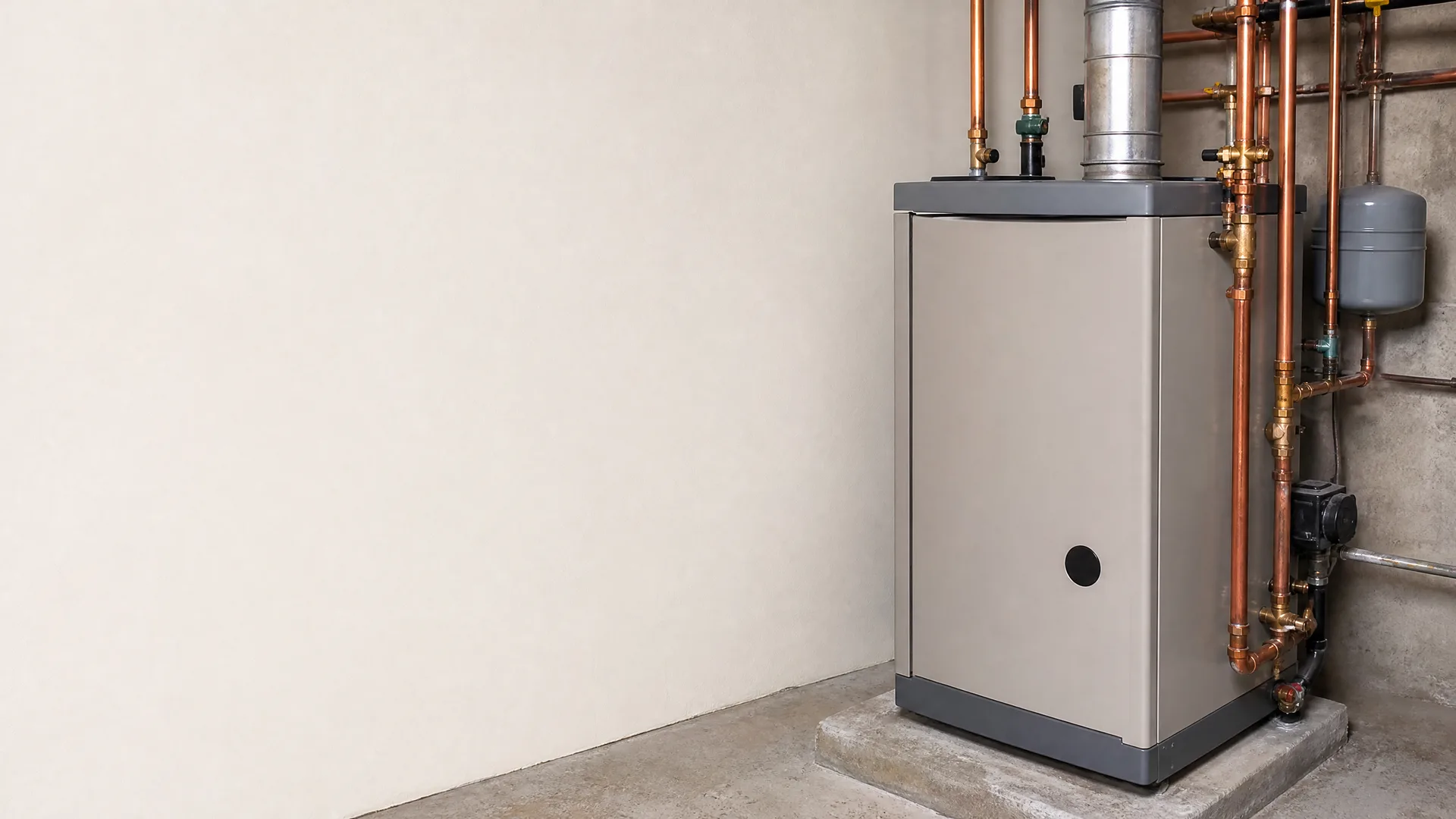
A boiler running the way it should
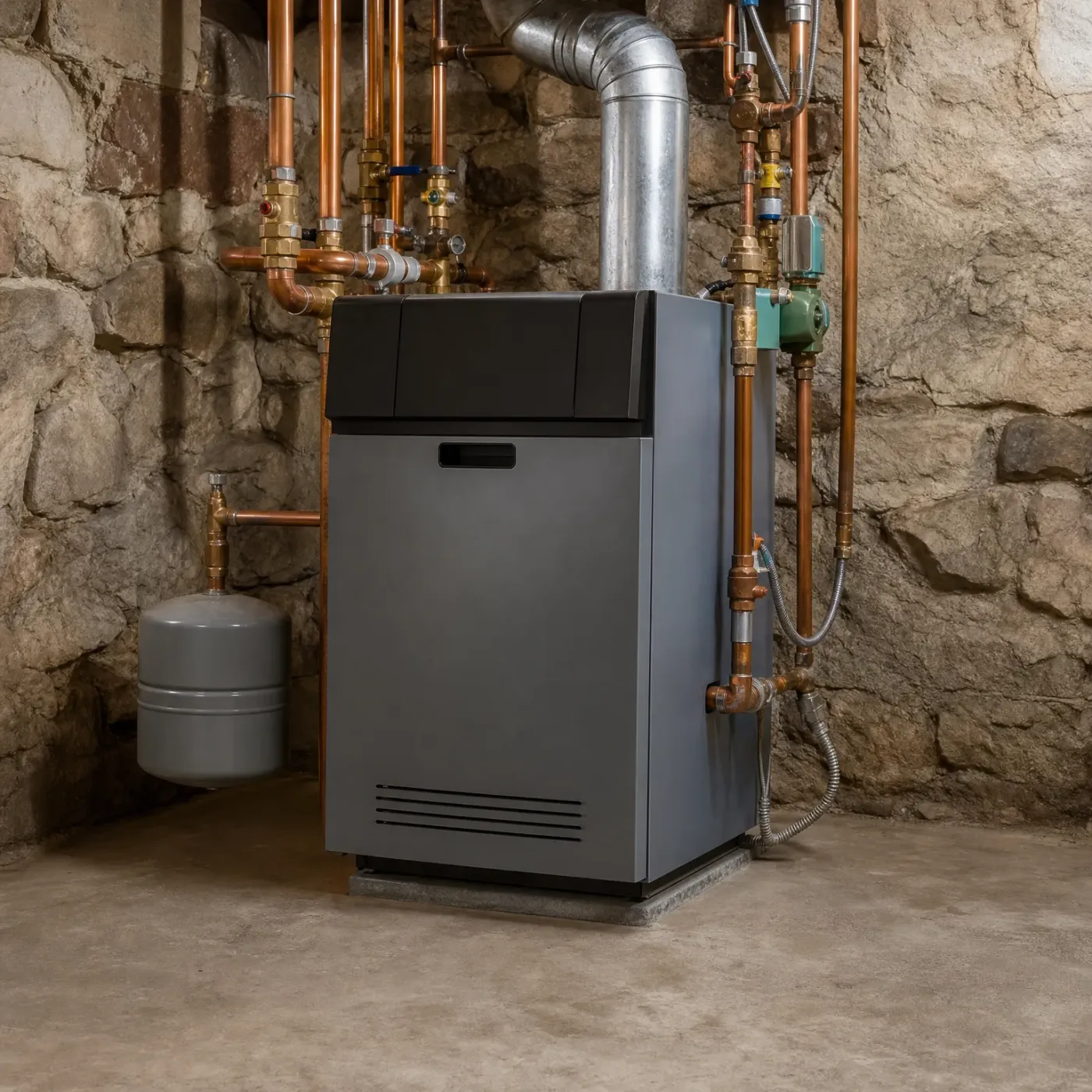
Pressure holds steady, the copper lines stay tight, and the expansion tank does its job of absorbing what the system doesn't need. The flue draws clean. Nothing here is guessing what it's supposed to do.
 Get matched
Say what's going on with your boiler, and a pro who works on them reaches out.
A boiler that's been fine all summer can still fail the first cold night it runs hard. That first real stretch below freezing is when a weak igniter, a clogged flue, or low pressure finally shows itself, usually at the worst time.
A tune-up before winter catches that early. Someone who works on boilers all season checks the burner and igniter, tests the pressure and relief valve, looks at the flue and venting, and bleeds the system if it needs it. These are the same points that cause most no-heat calls once the weather turns.
Gas heats most homes in Massachusetts, and electric backup or electric heat here costs more than almost anywhere else in the country. A boiler that's not firing cleanly or cycling properly burns more gas to do the same job, and that shows up on the bill all winter, not just on the cold days.
You don't need to know which part is likely to be the problem. You need someone local who's seen what tends to go wrong in boilers like yours, this time of year, in Massachusetts winters. That's who gets matched to your request, one contractor, licensed, working near you, not a handful of companies competing for your callback.
Tell them a little about your system and your situation, and that contractor reaches out directly. No bidding war, no list of strangers calling all at once. Just the one who's set up to handle what your boiler actually needs before the cold sets in.
A boiler tune-up before winter covers the things that cause most no-heat calls once the cold settles in. A technician checks the burner and igniter, tests the pressure and water level, bleeds air from the system, inspects the flue for a clean draft, and looks at the venting for blockage or corrosion. Each of these sits idle most of the year, then gets asked to run for hours at a stretch through a Massachusetts winter. A burner that lights fine on a mild October morning can misfire once it has to hold a steady flame for a week straight in January. Low pressure that didn't matter in September can shut the whole system down in December. The tune-up finds these before the cold does, while there's still time to fix a part instead of waiting on one in an emergency.




The burner's flame tells a technician most of what they need to know. Blue and steady means clean combustion. Yellow or lazy means the burner is running rich, and that shows up later as soot or a boiler that struggles to hold temperature. The igniter or pilot assembly gets lit and watched while the system runs, not just at startup, because some parts hold a flame fine for a few seconds and then drop it once they've warmed up. Water pressure matters more than most homeowners realize. Too low and the boiler short cycles or won't satisfy the thermostat. Too high and the relief valve weeps, which looks like a leak but isn't. Most boilers want pressure in the 12 to 15 psi range, and a tune-up sets it there rather than wherever it happens to sit. Air trapped in the radiators or baseboards keeps hot water from reaching every part of the loop, so bleeding them out now means no banging pipes or cold spots once the system is running every day instead of occasionally. The flue gets a look too, since anything blocking it or corroding it changes where the exhaust goes, and exhaust that isn't leaving the house is a problem worth catching in October rather than January. Last, the expansion tank gets checked for waterlogging, which shows up as pressure climbing fast the moment the burner fires.
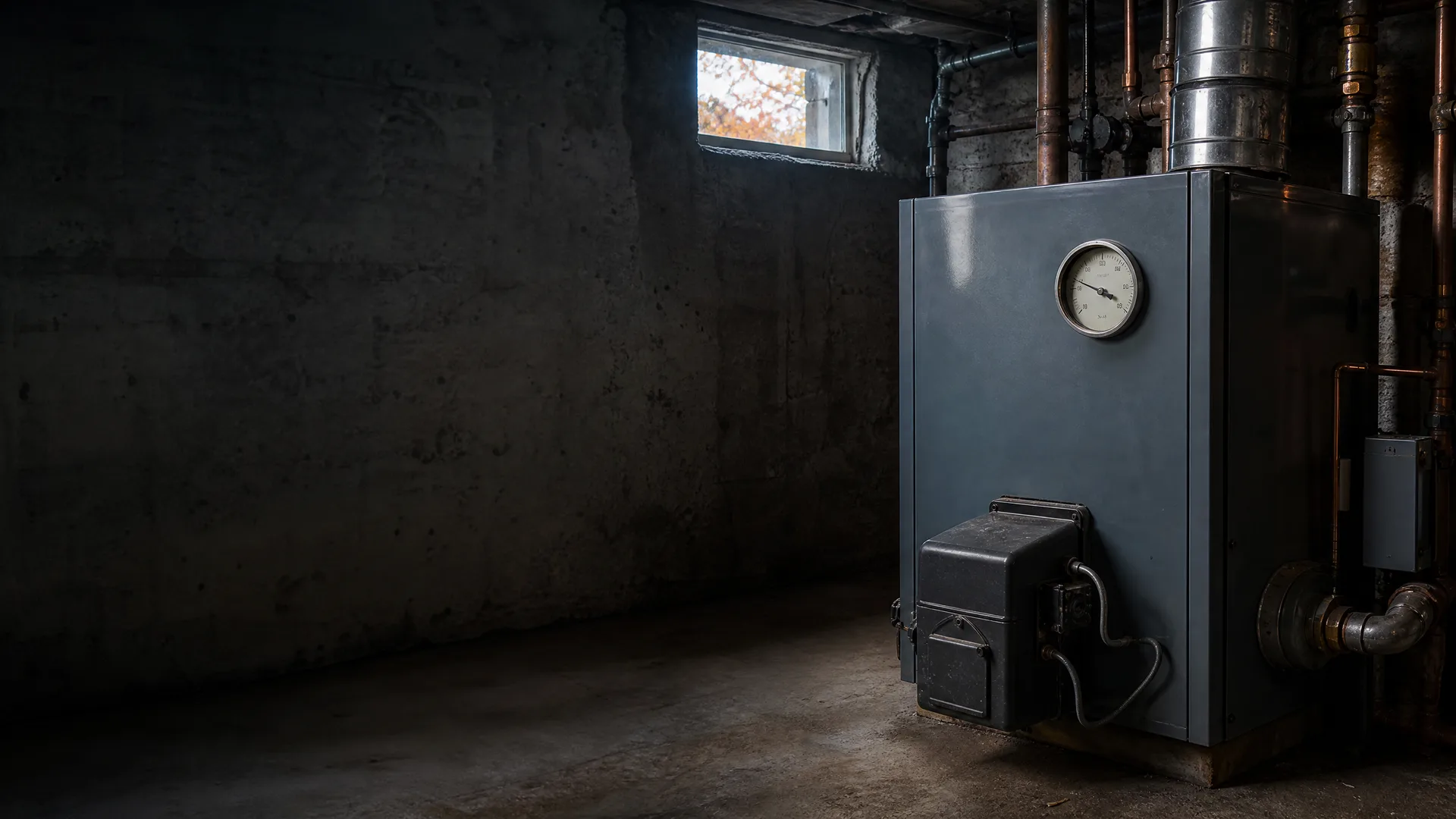
You go down to check the thermostat setting and end up standing in front of the boiler instead. It's a cool October afternoon, the kind where Massachusetts finally stops pretending it's still summer, and the burner just kicked on for the first time in months. You crouch down and look at the pressure gauge. The needle sits low, under where it should be. You're not sure if that's a problem or just how it looks in the off-season. You tap the glass once, like that would change anything, then head upstairs to look up whether a boiler guy who actually knows this model would be worth calling before the real cold gets here.
A boiler that's been sitting idle since spring doesn't tell you what it needs by looking at it. Someone has to open it up, read the pressure, check the flame, and know from the burn pattern or the sound of the pump whether it's going to make it through a Massachusetts winter or quit on the first hard freeze. That's not a guess you want to make yourself, and it's not a job for whichever contractor happens to answer first. A technician who works on boilers all season in your area has seen what usually goes wrong in homes like yours, and that's worth more than a quick search and a handful of calls. Getting matched with one local contractor, instead of being passed around to several, means someone who already knows this equipment is the one looking at yours. With gas heat running most of the winter here and power costing what it does, getting that boiler looked at before the cold sets in is worth doing now, while there's still time to fix what's wrong instead of living with it.
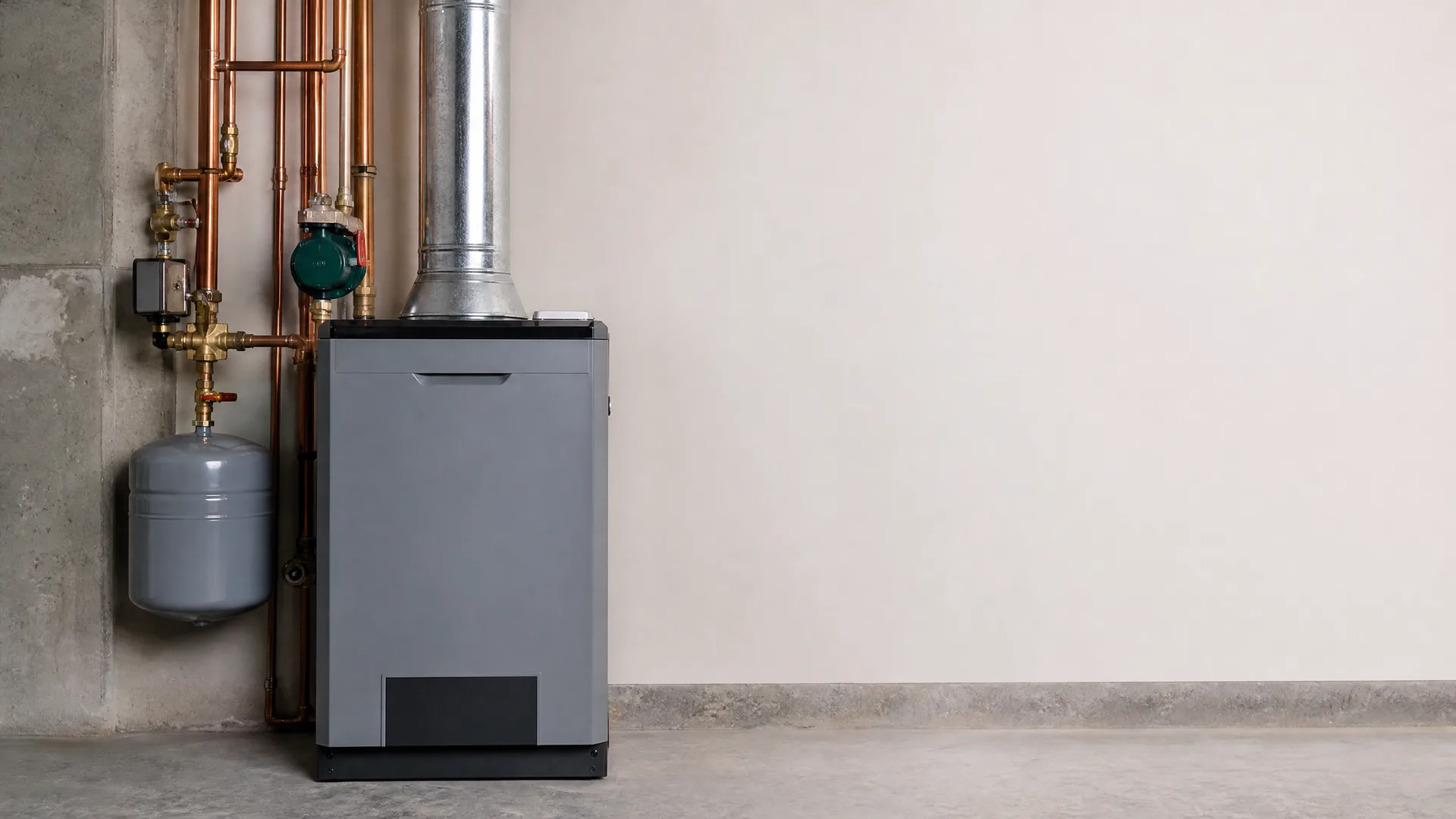
A boiler needs enough water pressure to circulate heat through every radiator or baseboard in the house. When it drops below where it should sit, the system can short cycle or stop producing heat in the rooms farthest from the boiler. A slow drop over the summer is normal and usually means a small amount of air worked its way out through a vent. A fast drop points to a leak somewhere in the system, and that's easier to trace in October than in January.
The flue carries combustion gas out of the house, and a blocked or corroded one can push that gas back into the basement instead. Birds nest in flue caps over the summer, and rust works through old pipe faster than most people expect. A technician looks at the flue connection and checks for a steady draft, since a boiler that can't vent properly is a safety problem before it's a heating one. This is a five minute check that catches a problem before the burner runs for months straight.
You noticed a radiator in one room barely gets warm while the rest of the house heats fine, or you've heard a gurgling sound when the heat kicks on. You're not sure if that's something a tune-up actually deals with or if it's a separate repair. It seems minor compared to the burner or the flue, but it's the kind of thing that makes a room cold all winter if nobody looks at it.
Hot water needs to fill the whole radiator or baseboard to heat the room. Air gets trapped at the top, especially after the system has sat idle all summer, and it pushes the water down so only part of the radiator ever gets hot. You'd feel this as a cold spot at the top of a radiator that's warm everywhere else, or hear a gurgle when the heat starts. Bleeding each radiator lets that trapped air out through the small valve, so water can reach every section. It's a five-minute job for each radiator, but it's the difference between one room staying cold all winter and the whole house heating evenly once the temperature drops.
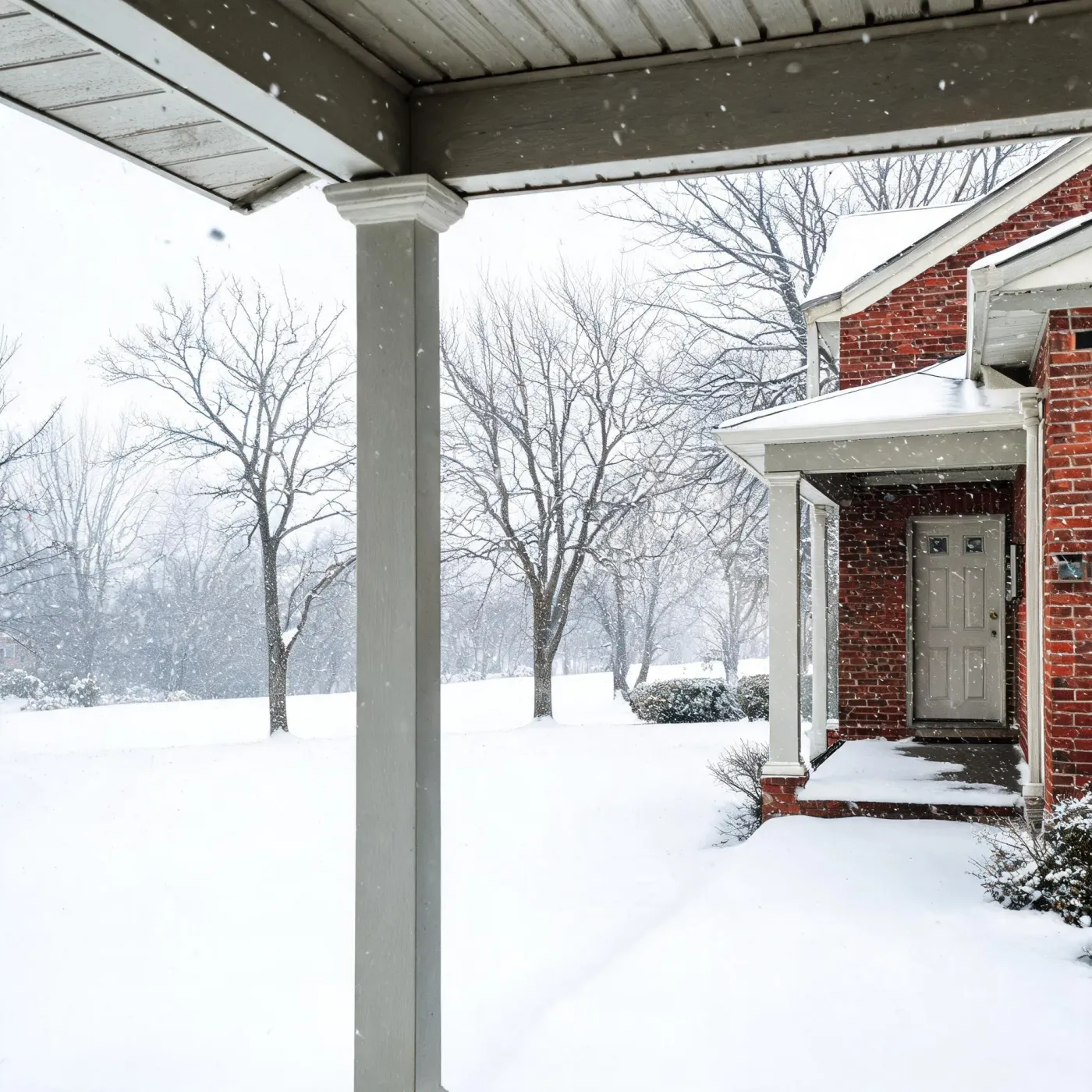
Winter nights average 21°F statewide, according to NOAA climate data, and that's the number that decides whether your boiler runs easy or runs hard. Above freezing, a system with a stuck valve or a little lost pressure can still limp through and keep the house warm enough that you don't notice. Down near 21, there's no slack left. The burner has to hit full output and hold it for hours, and anything marginal, a weak flame, a pump losing its prime, shows up as a cold radiator or a room that won't come up to temperature no matter where you set the thermostat.
NOAA nClimDiv 1991-2020 county normals weighted by homes
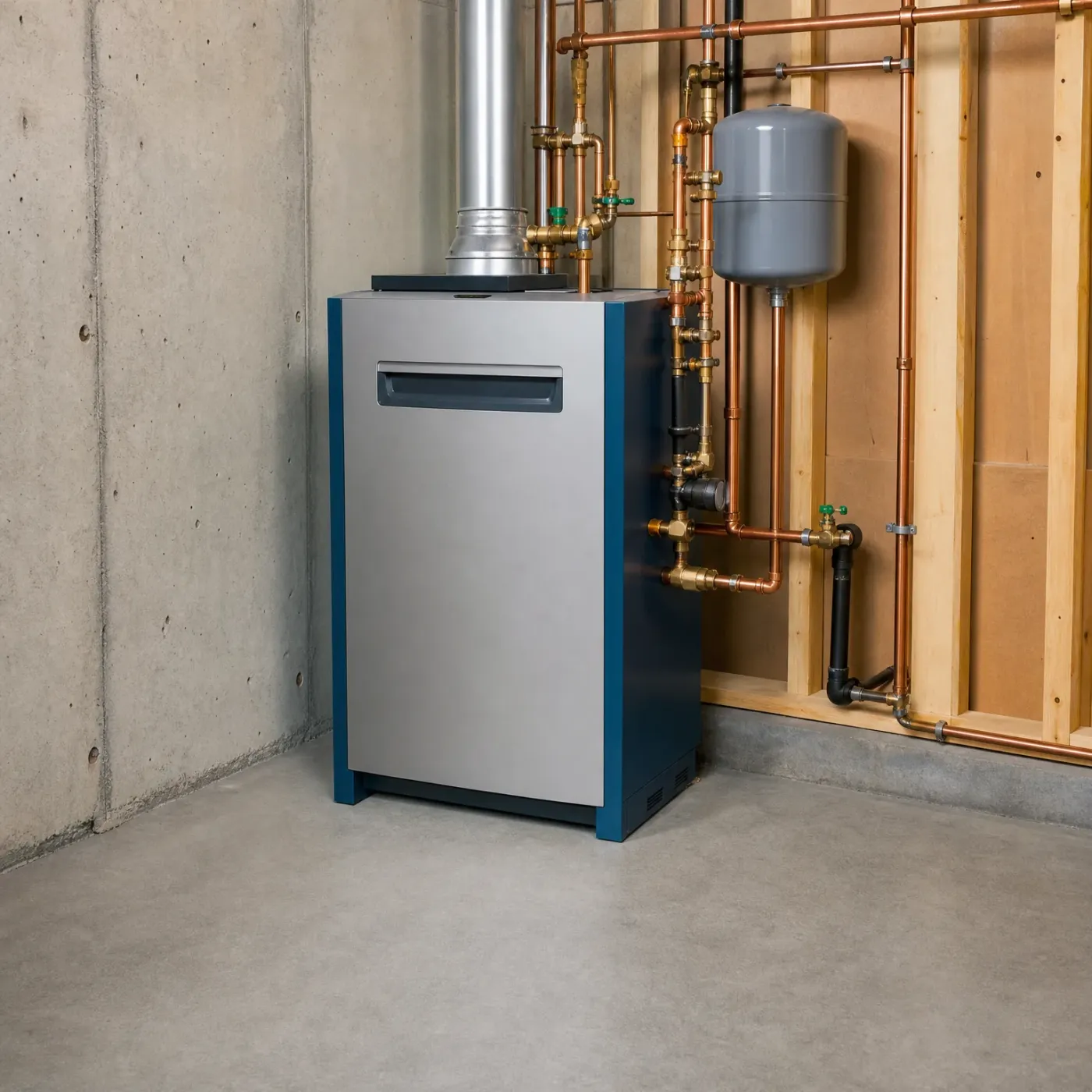
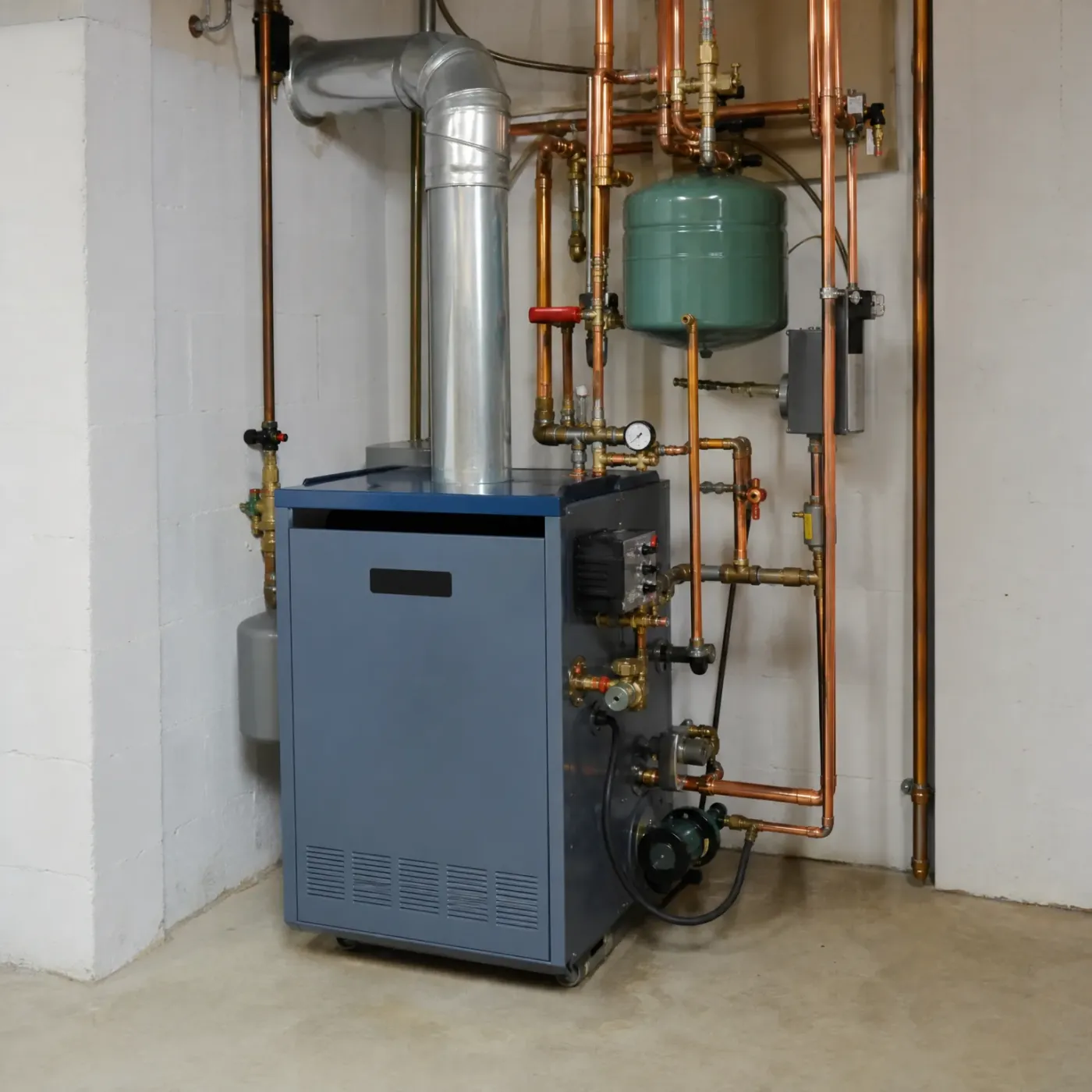
Pressure holds steady, the copper lines stay tight, and the expansion tank does its job of absorbing what the system doesn't need. The flue draws clean. Nothing here is guessing what it's supposed to do.
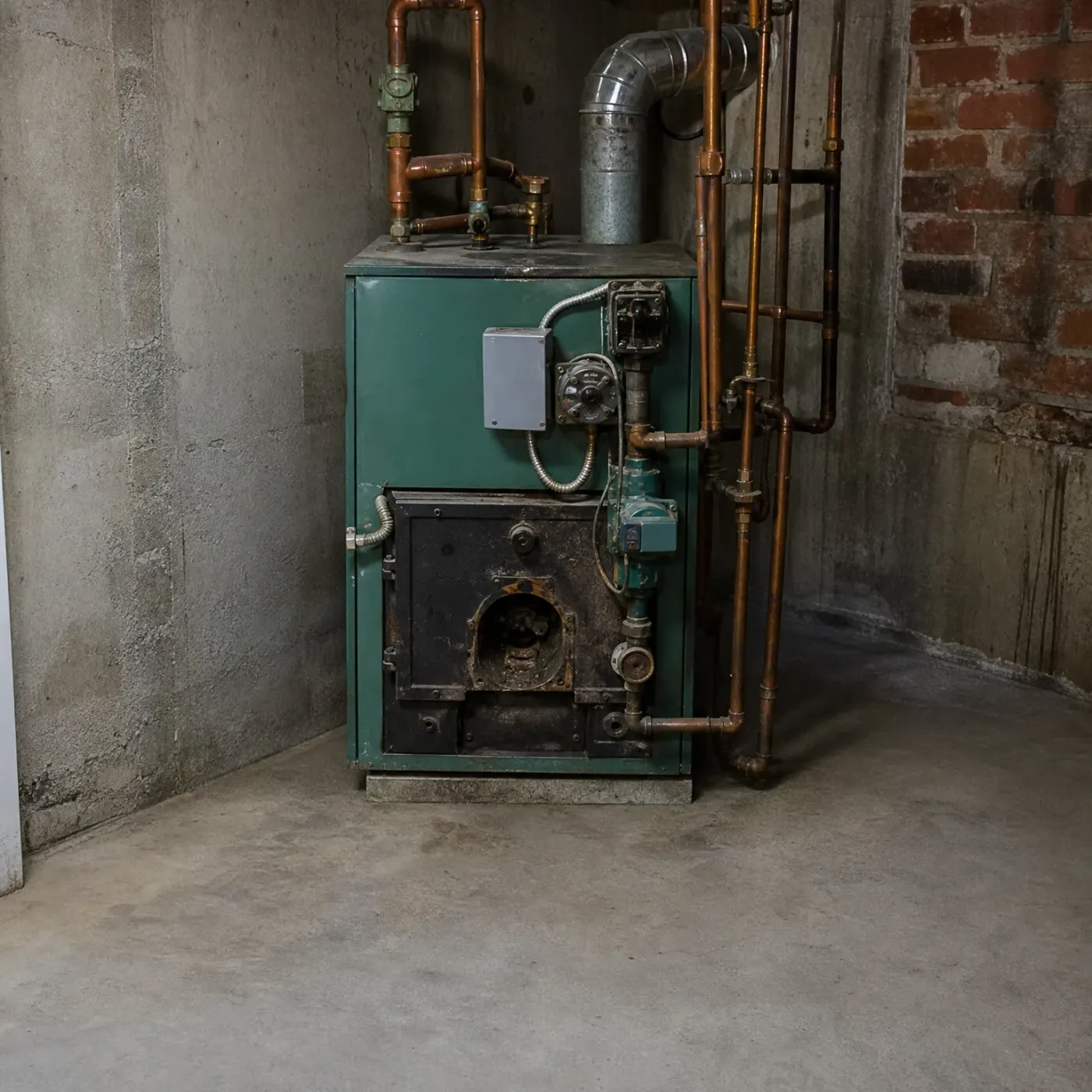
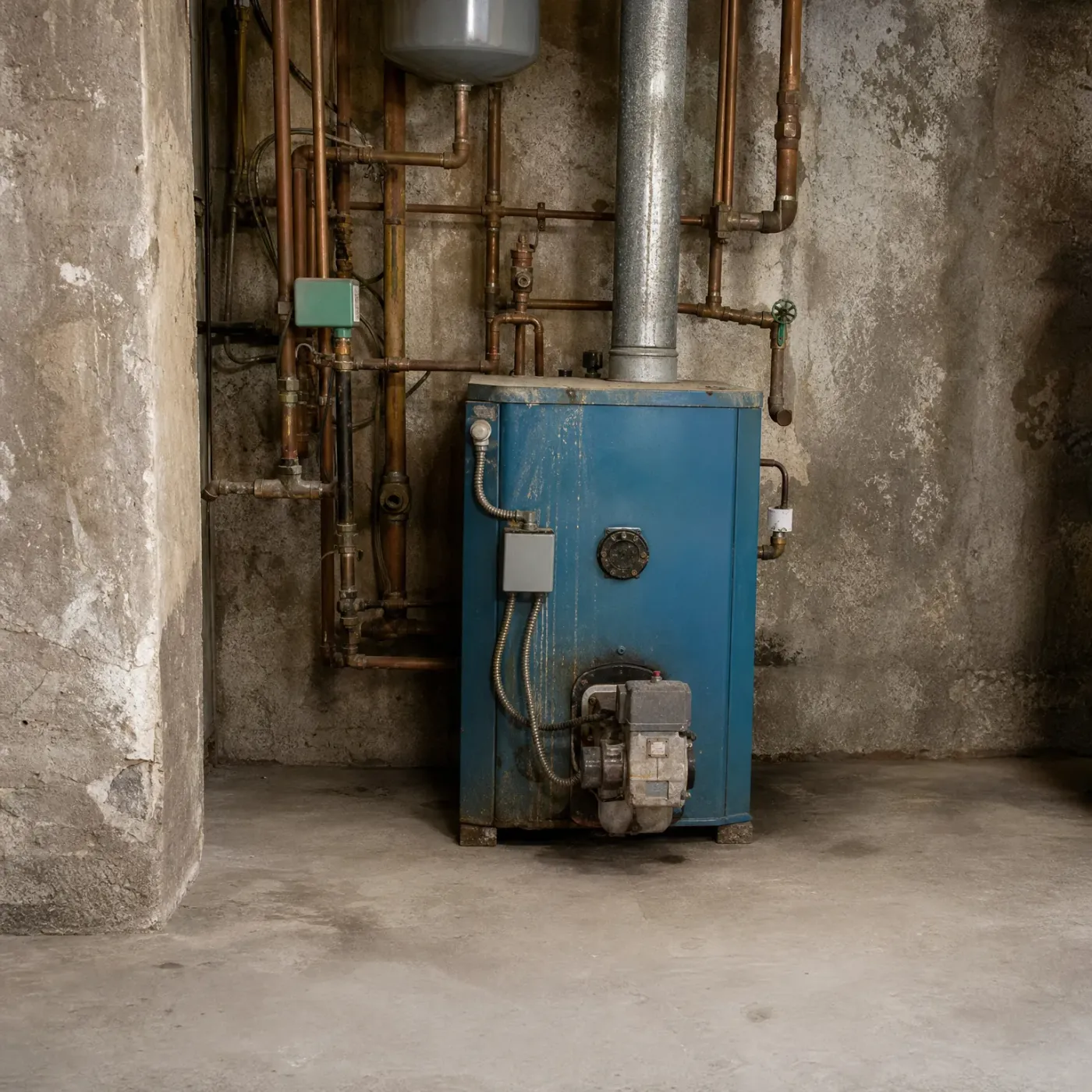
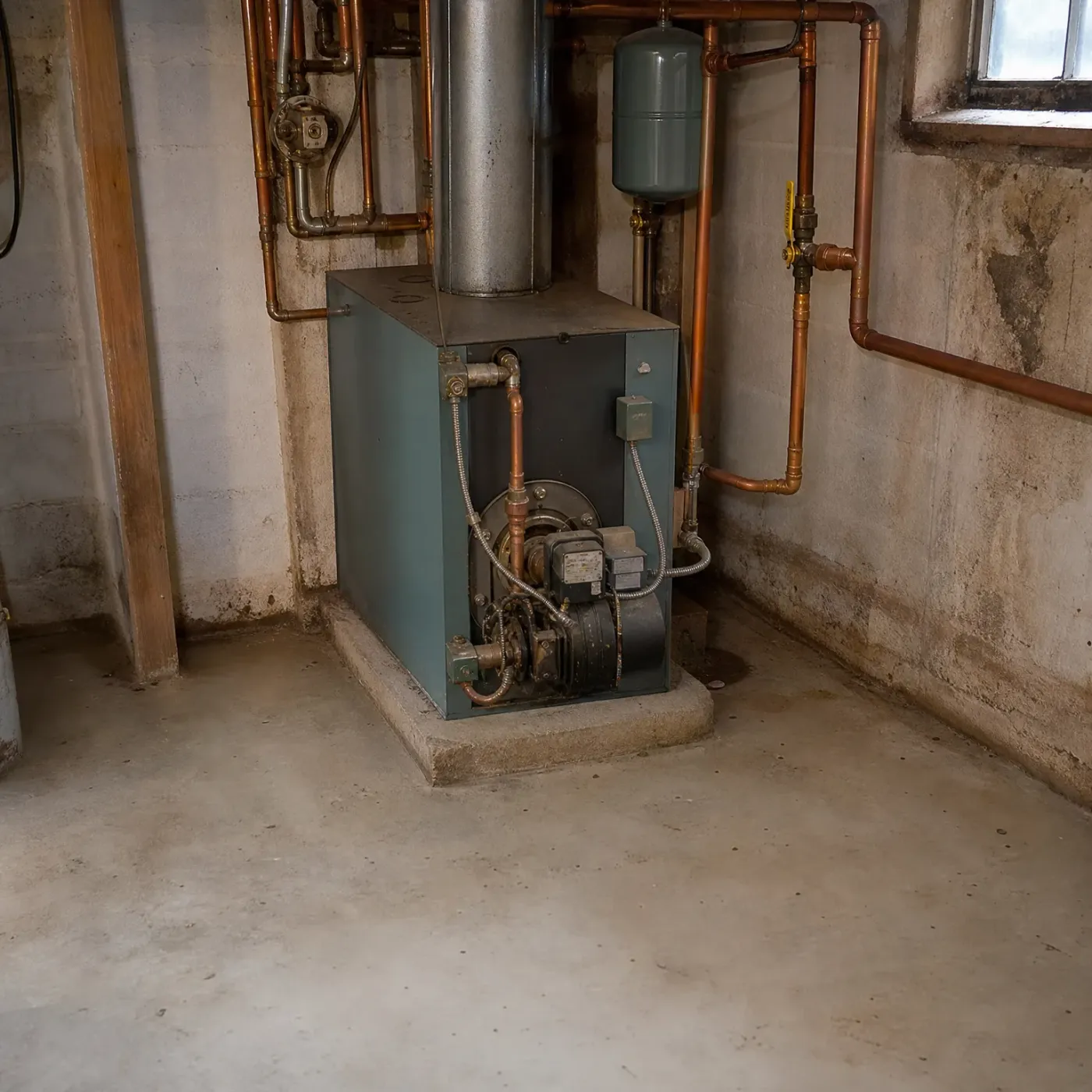
That firebox door shouldn't open up corroded like that. Years in a damp basement corner wear on a burner and a flue the same way they wear on anything else left unchecked, and this is what it looks like when nobody caught it early.
At 21°F, your boiler isn't cycling on for an hour and coasting. It's running long stretches to keep every radiator warm, and that's when a pump on its way out or a valve that doesn't fully close finally gives up.
NOAA nClimDiv 1991-2020 county normals weighted by homes



A boiler tune-up before winter checks the burner, the igniter, the pressure, the flue, and the water level, because those are the parts that decide whether your system runs easy or fails on the first hard night. That's the whole answer. What's left is knowing which of those your boiler actually needs looked at, and that's not something a page can tell you from here.
A contractor local to Massachusetts who services boilers all season has seen what usually gives out in houses like yours, whether that's a valve that won't close all the way or a pump that's been straining since last winter. You'd be matched with one contractor, not a handful, so the person who calls is the one who'll actually be doing the work. Where your boiler stands, and what it needs before the nights get down near 21°F, is worth finding out now rather than in January.

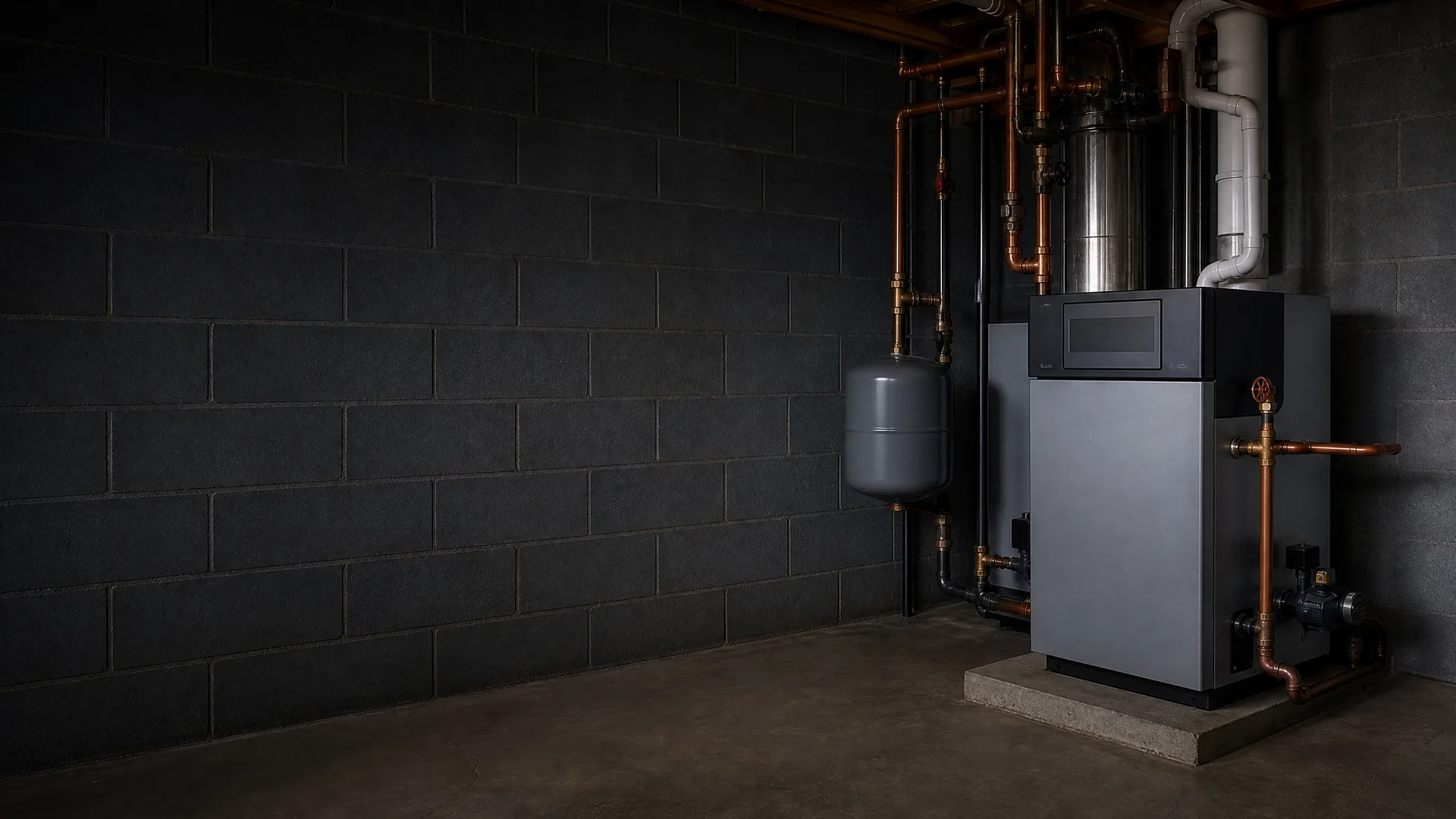
Your request goes to one pro, not a list of companies.